DIY or Professional Fence Installation: Why Hiring an Expert Saves You Time and Money
When property owners encounter the task of putting up a fence, they typically evaluate the pros and cons of DIY versus hiring a professional. While the allure of saving money through a DIY project is tempting, the potential pitfalls can lead to increased costs and time. Professionals bring expertise and efficiency, which can prove critical when addressing intricate installation demands. This raises an important question: What are the real benefits of opting for expert installation?
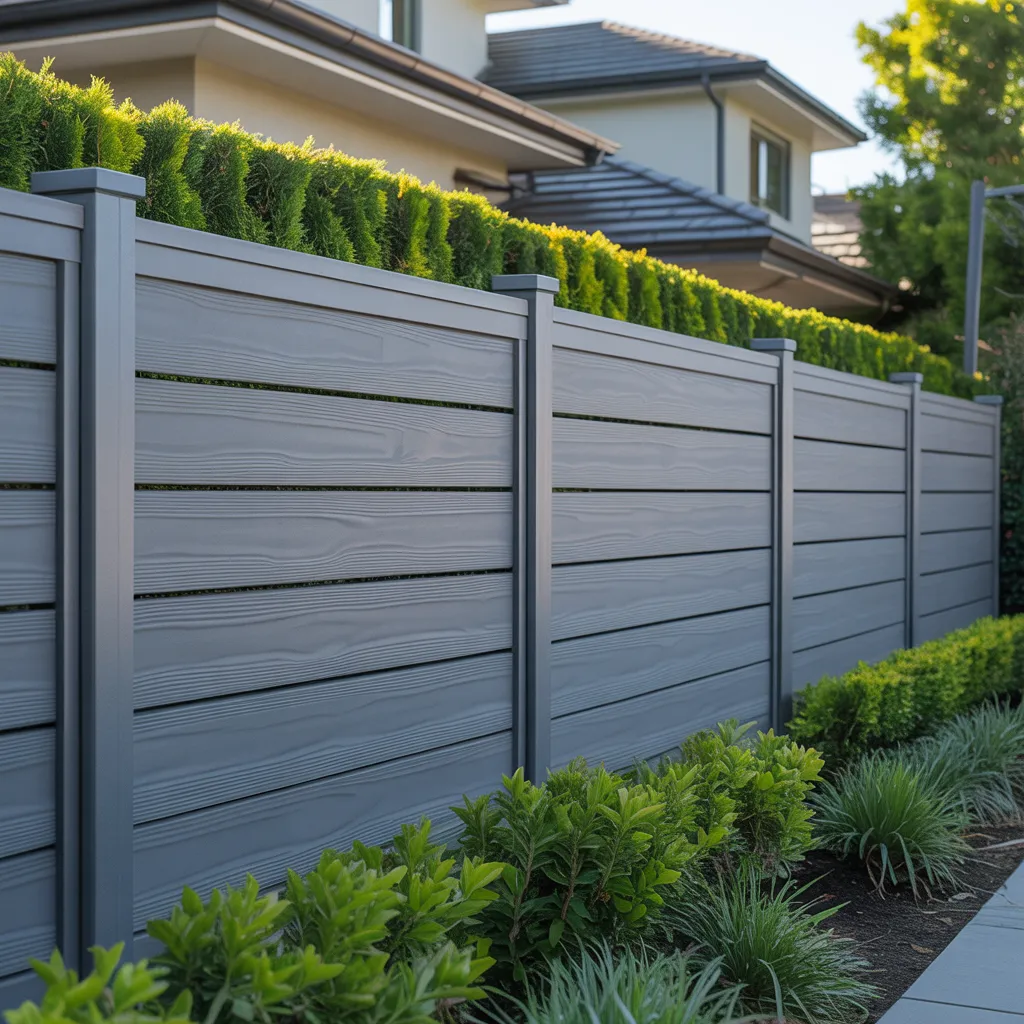
The Benefits of Professional Fence Installation
While some homeowners may consider a DIY approach to fence installation, the benefits of hiring professional installers frequently outweigh the upfront cost. Skilled installers provide expertise that ensures the fence is constructed correctly and effectively. They possess specialized tools and equipment, which minimizes the description risk of errors and enhances overall quality. Furthermore, their experience enables them to handle obstacles such as uneven terrain or local regulations, which can hinder DIY projects.
In addition, engaging professional installers often leads to quicker project timelines, releasing homeowners from the burden of extended projects. Skilled installers additionally offer warranties on their work, giving peace of mind about lasting quality and maintenance. This guarantee can ease worries regarding ongoing complications that could develop from faulty installation. Overall, the advantages of hiring professional fence installers include skilled workmanship, reduced timelines, and lasting dependability, making it a prudent choice for a wide range of homeowners.
How Much Will Professional Installation Cost You?
The cost of professional fence installation can vary greatly based on several factors, including the choice of materials, labor costs, and site conditions. Understanding these influences is important for homeowners thinking about this option. Furthermore, evaluating long-term value may help determine whether the investment aligns with future needs and property enhancement.
Elements Affecting Installation Cost
Several considerations impact the overall cost of professional fencing services, making it necessary for homeowners to recognize what contributes to these expenditures. The materials chosen—such as wood, vinyl, or metal—plays a major role in determining the project cost. Furthermore, the height and length of the fence significantly matter; bigger projects tend to cost more. Installation costs also change based on installation complexity and prevailing local rates. Property conditions, such as terrain and accessibility, can further affect costs, as additional equipment or preparation may be required. In addition, any necessary permits or inspections must be considered, contributing to the overall cost. Recognizing these components allows homeowners to plan their fencing projects more effectively.
Long-Term Value Considerations
Comprehending the financial aspects connected to professional fence installation goes beyond the upfront expenses. While the preliminary fees can seem higher in comparison to DIY options, the long-term value often justifies the investment. Professionals offer expertise that ensures proper installation, which can minimize the need for pricey repairs and maintenance as time goes on. Additionally, a properly installed fence can enhance property value and curb appeal, potentially providing a return on investment when putting a house on the market. The durability of professionally installed materials frequently exceeds DIY alternatives, limiting future replacement costs. Ultimately, bringing in a specialist can lead to significant savings and peace of mind, making the original cost worthwhile in the context of lasting advantages.
Common Hurdles of DIY Fence Projects
Starting on a DIY fence project can soon uncover a host of unanticipated obstacles. Residents often underestimate the difficulty of proper planning, including boundary line evaluations and securing required permits. Without a precise survey, they run the risk of crossing into adjacent property or violating local regulations.
Furthermore, picking the proper materials and equipment can be difficult. A lack of experience may result in purchasing insufficient resources or misjudging quantities, creating higher costs and project delays. Proper techniques for installation are critical; misalignment or inadequate post depth can weaken the fence's durability and effectiveness.
Beyond that, a significant number of DIY enthusiasts are unprepared for weather-related complications, which can stall progress. Demanding manual labor, such as digging post holes or handling heavy materials, can also discourage even the most enthusiastic homeowners. Such obstacles underscore the difficulties inherent in DIY fencing endeavors, prompting many to reconsider the value of professional expertise.
The Way Professionals Help You Save Time
When looking into fence installation, professionals offer notable time benefits in comparison to DIY projects. Their knowledge of designing and carrying out projects guarantees speedier results and reduces delays. This efficiency enables homeowners to benefit from their new fencing without the lengthy waiting period often associated with self-installation.
Accelerated Project Completion
Employing professional installers greatly expedites the fence installation process. Skilled installers arrive with specialized equipment and experience, allowing them to complete projects more quickly than most DIY enthusiasts. Whereas a homeowner could spend days or even weeks completing the installation, skilled teams commonly wrap up the job within hours or days, depending on the project size. Their expertise with different materials and approaches empowers them to resolve issues efficiently, minimizing delays. Moreover, professional teams usually collaborate effectively, splitting responsibilities to maximize efficiency. This not only hastens the installation but also lowers the probability of errors that might delay completion. In the end, engaging professionals ensures on-time project completion, allowing homeowners to enjoy their new fence sooner.
Professional Planning and Implementation
Though many homeowners fail to recognize the value of comprehensive planning, professional installers recognize that meticulous preparation is key to a successful fence project. Professionals start with a thorough evaluation of the property, considering factors such as terrain, soil type, and local regulations. This all-encompassing approach guarantees that all necessary materials are acquired and that the design aligns with the homeowner's vision while adhering to legal requirements.
Beyond that, experts employ sophisticated approaches and resources, simplifying the overall installation. Their knowledge positions them to foresee possible obstacles and handle them in advance, limiting disruptions to the project. Through careful timeline management and efficient labor coordination, experts not only preserve time but also reduce expensive errors that frequently stem from poor planning. In essence, expert planning and execution lead to a smoother, more efficient installation.
How Skilled Experts Deal With Local Regulations
Managing regional rules can be a daunting task for homeowners, but specialists shine in this area. Skilled fence installation specialists possess extensive awareness of zoning laws, construction standards, and permit obligations specific to each locality. They remain informed about changes in regulations, securing compliance that non-professionals could neglect.
Additionally, experts often have well-developed ties with municipal officials, which can streamline the licensing procedure. This established rapport permits them to manage any possible obstacles efficiently, minimizing interruptions that might stem from misinterpretations of local regulations.
Moreover, experts can help homeowners choose suitable materials and styles that satisfy local requirements, minimizing the risk of future fines or mandatory alterations. By drawing on their experience, professionals streamline the installation process, saving homeowners from the stress and potential pitfalls of regulatory compliance. Ultimately, hiring an expert not only guarantees adherence to legal standards but also enhances the overall efficiency of the project.
How Professional Installation Guarantees Quality and Durability
Steering through local regulations is just one aspect of ensuring a successful fence installation; the quality of workmanship plays a vital role in the fence's longevity. Experienced installers bring a wealth of expertise, applying techniques that ensure proper depth, alignment, and stability of fence posts. Their proficiency limits common installation issues, such as shifting or leaning, which can compromise a fence's structural integrity over time.
Moreover, expert technicians use premium components, understanding the subtleties of various fencing types and how they respond to natural elements. This knowledge aids in preventing premature wear and damage, maximizing the longevity of the fence.
Furthermore, professional installation typically involves appropriate sealing and finishing techniques that improve resistance to the elements. Through utilizing skilled professionals, home owners can have peace of mind knowing that their fencing will fulfill more than just visual standards but also last for many years, offering reassurance and limiting the frequency of regular maintenance.
Long-Term Value of Professional Fence Installation
Investing in professional fence installation delivers substantial lasting value that often outweighs initial expenses. Professionals bring knowledge, guaranteeing the fence is installed correctly, which reduces the likelihood of future repairs. A expertly installed fence can endure environmental challenges, prolonging its life considerably compared to DIY efforts that may weaken the overall structure.
Furthermore, bringing in a professional installer often enhances the value of the property. A properly installed fence not only improves aesthetics but also boosts street-side appeal, making the home more enticing to interested buyers. This is particularly important in housing markets where first impressions play a key role.
Furthermore, certified technicians frequently offer warranty coverage, delivering reassurance that DIY projects generally cannot offer. This defense against structural flaws or harm helps homeowners avoid unforeseen expenses in the future. All things considered, the long-term investment in skilled professional work is advantageous, in monetary terms and in respect to maintaining a property's integrity.
Frequently Asked Questions
Can I Install a Fence Myself if I Lack Experience?
Yes, anyone can erect a fence without prior experience, but it could result in errors and difficulties. Research, planning, and patience are essential, though hiring a professional can offer a more efficient and reliable outcome.
What Tools Do You Need for DIY Fence Installation?
To install a fence, key tools needed are a post hole digger, measuring tape, level, hammer, saw, concrete mix, fence panels, and safety equipment. These items guarantee proper installation and enhance overall efficiency during the process.
What Is the Best Way to Choose the Right Fencing Material?
Identifying the most suitable fence material requires evaluating strength, care requirements, aesthetics, and overall budget. Popular choices include metal, wood, vinyl, and composite. Examining each material's benefits and drawbacks enables you to make a thoughtful determination that fits unique circumstances.
What Care Do Fences Need Following Installation?
Fences require consistent care, which includes cleaning, checking for damage, and using protective coatings. Timber fences benefit greatly from sealing and staining, whereas metal fences may require rust treatment. Consistent upkeep prolongs lifespan and maintains appearance.
How Can I Ensure My Fence Is Level and Straight?
To ensure a fence is level and straight, you should use a long level or a string line as a guide. Consistently check the alignment during installation, making adjustments to posts as needed to maintain consistency throughout the process.