Professional Fence Installation & Replacement: Claim Your Free Quote Today
Complete fence installation and replacement services deliver notable value for landowners. Such improvements can boost privacy, security, and aesthetics. Knowing the numerous elements and considerations involved is important before committing to a choice. Furthermore, evaluating individual needs ensures a personalized solution. For property owners exploring this option, getting a no-cost quote can clarify overall expenses. However, one must also think about the ongoing upkeep and care required for a effective installation. What comes next?
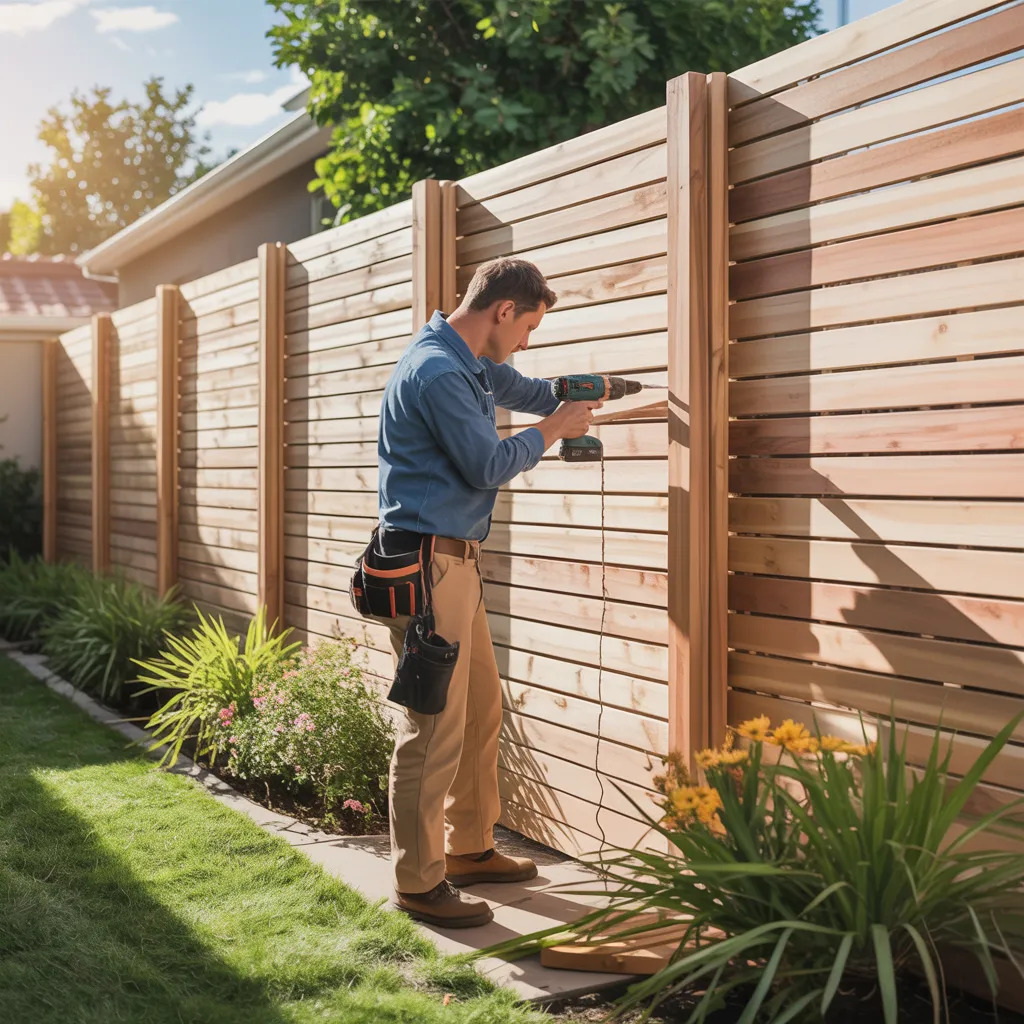
The Advantages of Fence Installation for Your Property
Installing a fence provides many benefits that can improve any property. A well-constructed fence provides essential privacy, creating a secluded space for relaxation or family gatherings. It additionally functions as a boundary, boosting security by discouraging intruders and keeping children and pets securely enclosed. Furthermore, fences can significantly enhance a property's visual appeal, increasing value and street appeal through a range of styles and materials.
Moreover, a fence can define property perimeters, reducing disagreements with neighboring residents and confirming property ownership. Certain types of fences can also offer practical benefits, such as windbreaks or noise reduction, improving the overall comfort of outdoor areas. Furthermore, having a fence installed can support conformity with local regulations regarding land boundaries and safety standards. All things considered, the benefits of fence installation reach well past visual appeal, promoting safety, privacy, and property value in a variety of significant ways that make it a wise investment for homeowners.
Essential Factors to Evaluate Before Replacing Your Fence
Swapping out a fence can be a considerable decision for property owners, demanding careful consideration of various critical factors. To begin, the state of the existing fence must be evaluated; determining whether it is truly beyond repair or simply in need of maintenance can affect the decision to replace. Additionally, homeowners should evaluate local regulations and zoning laws, as these can govern fence style, height, and positioning. Budget constraints are also vital; knowing the budget can guide decisions on materials and design. Moreover, thinking about what the fence is meant to achieve—be it for seclusion, protection, or visual appeal—will guide the choice of materials and design. To conclude, homeowners should think about the future maintenance needs of the available fencing materials to secure sustainability. By evaluating these factors, homeowners can reach well-considered conclusions that meet their requirements and improve their property.
Comparing Fence Materials: Which Is Right for You?
When deciding on the best fencing material, what factors should homeowners consider? Durability is essential; materials like vinyl and metal frequently outlast wood, offering lasting value. Aesthetic appeal also plays a significant role, as different materials offer various styles to complement the property's architecture. Maintenance needs vary significantly: wooden fences may need regular staining or painting, whereas vinyl and metal generally require little maintenance.
Price is also a key factor to consider. While upfront costs for wood might be lower, the long-term costs associated with maintenance can accumulate over time. Moreover, the regional climate can impact your selection of materials; for one thing, specially treated lumber may be essential in moisture-prone regions to avoid decay.
Additionally, homeowners should consider local regulations and neighborhood standards, as these can dictate approved materials and stylistic options. By evaluating these aspects, homeowners can arrive at thoughtful choices that meet their requirements and improve their homes.
How to Install Your Fence: Step by Step
When installing a fence, the right tools are crucial for a seamless experience. This section will outline the necessary equipment and provide a clear, step-by-step guide to the installation process. With these directions in hand, homeowners will be equipped to complete a solid and reliable fence installation.
Supplies You'll Need
When preparing for a fence installation project, having the right tools is vital for guaranteeing a smooth process. A post hole digger is indispensable for forming the required openings for fence posts. A level verifies posts are straight, while a tape measure aids in accurate spacing. A hammer or nail gun is necessary for attaching panels, and a saw, manual or powered, is useful for trimming materials as needed. Moreover, a string line can be used to ensure straight alignment is maintained throughout the project. For safety, gloves and safety glasses are recommended. Preparing these tools in advance will simplify the installation, improving efficiency and reducing the likelihood of mistakes. Adequate preparation is fundamental to completing a high-quality fence installation.
Installation Process Steps
Beginning a fence installation demands thorough planning and precise execution. Initially, the area should be carefully measured and marked, confirming compliance with local codes. Next, posts are set in concrete, spaced according to the fence type, typically around 6 to 8 feet apart. Once the posts are secure, the horizontal rails are attached, providing structure and support. Following this, the selected fencing material—be it wood, vinyl, or chain link—is put in place, ensuring it is level and correctly aligned. Gates are then hung, allowing for access while maintaining functionality. Finally, the installation site is cleaned, and any necessary adjustments are made, completing the process. This systematic method ensures a long-lasting and visually appealing fence.
Receive a Free Quote for Your Fence Installation Project
How are homeowners able to precisely determine the cost of their fencing installation project? Securing a complimentary estimate is a critical initial step. Reputable fencing companies typically offer complimentary estimates, enabling homeowners to grasp the financial scope before dedicating themselves to a project. Throughout this stage, homeowners are encouraged to supply comprehensive details about their property, such as measurements, desired materials, and particular design preferences.
Contractors typically evaluate several elements, such as site conditions, labor, and material costs, when providing an estimate. Homeowners are advised to request multiple estimates to evaluate pricing and offerings. Doing so not only assists in finding the most competitive offer but also offers a clearer understanding of various contractors' methods and experience. Transparent dialogue concerning project goals can result in a more precise estimate. In the end, a complimentary estimate acts as an essential resource, empowering homeowners to make well-informed choices about their fencing project requirements.
Maintenance Tips for Your Residential Fence
Upkeeping a home fence is important for safeguarding its longevity and appearance. Regular inspections should be conducted to spot signs of wear, such as corrosion, decay, or unsecured boards. Scrubbing the fence at least one time each year assists in clearing away mildew, dirt, and algae, which can weaken materials as time passes. For wooden fences, putting a durable sealant or stain on every few years can enhance durability and aesthetics. Householders should also verify that vegetation does not encroach on the fence, as limbs and roots can result in structural deterioration. Furthermore, checking for any loose nails or screws and tightening them promptly will prevent further issues. In regions prone to harsh weather, extra care may be necessary, such as fortifying posts or adding protective weather coatings. By adhering to these upkeep guidelines, residents can increase the longevity of their fence while keeping its attractive appearance.
Popular Questions Regarding Fence Installation
When exploring the installation of a fence, a number of homeowners seek answers about different elements of the process. Important areas typically include the different fencing materials to choose from, a breakdown of the installation steps, and factors that influence overall costs. Addressing these inquiries can provide clarity and help individuals make informed decisions.
Kinds Of Fencing Materials
Identifying the correct fencing material is important for achieving both practicality and elegance in any property. Various options are available, each offering distinct advantages. Wooden fencing, for instance, provides a traditional look and can be tailored with ease, but it demands regular maintenance. Vinyl, on the other hand, is virtually maintenance-free and resistant to decay, establishing it as a top pick for numerous property owners. Chain-link material is economical and sturdy, though it may fall short on privacy in contrast to other materials. Aluminum fencing offers a balance of durability and style, commonly selected for aesthetic enhancements. Finally, composite fencing merges the strengths of timber and synthetic materials, providing resilience without extensive care. All materials address unique demands, empowering property owners to select carefully based on their individual needs.
Overview of the Installation Process
Comprehending the installation process of a fence is crucial for residents considering a new addition to their property. The initial step typically involves assessing the site to identify the best fence design and location. Homeowners should verify local zoning regulations and acquire necessary permits. Once this is done, the installation begins with mapping the perimeter, excavating post positions, and setting the posts in concrete for stability. When the posts are secured, panels or boards are installed according to the selected design. This phase may also include incorporating gates and confirming proper alignment. Lastly, a detailed inspection is performed to ensure quality and compliance with requirements. Homeowners are encouraged to raise concerns throughout this process to clarify any questions.
Cost Assessment Factors
There are several key factors involved in fence installation cost estimation that homeowners should take into account. The material type is a primary consideration, as options such as material—wood, vinyl, metal, or chain link—has a considerable impact on overall costs. Different materials vary in their cost ranges and maintenance demands. Additionally, the dimensions of the fence, including its length and height, have a direct impact on the total cost; bigger installations will demand greater quantities of materials and more labor. Furthermore, factors like terrain and site accessibility may drive up installation costs when specialized tools or methods are required. Regional labor costs and required permits can further add to the overall expense. It is also important for homeowners to factor in any supplementary features, including gates or content decorative accents, which may further affect the overall project cost.
Popular Questions We Receive
How Much Time Does the Fence Installation Process Usually Take?
The fence installation process typically takes one to three days, with considerations such as the scope of the area, type of materials used, as well as weather conditions. Proper planning can help streamline the project considerably.
Do I Need a Permit for Fence Installation?
Generally, a permit is needed for fence installation, based on local regulations. It is advisable for homeowners to check with their municipality to ensure compliance with zoning laws and steer clear of potential fines or complications.
Can I Install a Fence on a Slope?
Indeed, a fence can be installed on a slope. Different strategies, like contouring or stepping, accommodate uneven terrain. Proper planning secures durability and visual appeal, helping homeowners efficiently meet their landscaping goals.
How Much Does Fence Replacement Typically Cost?
The typical cost of fence replacement typically ranges from $1,500 to $4,000, influenced by materials, labor, and the size of the property. Differences in regional labor costs and particular requirements may considerably affect the overall expenditure.
How Do Weather Conditions Influence Fence Installation Timelines?
Environmental factors considerably influences fence construction timelines. Rain, snow, or extreme temperatures can disrupt work due to worker safety and material integrity issues. Contractors often adjust plans to ensure ideal conditions for the installation process, focusing on long-term durability and craftsmanship.